The situation
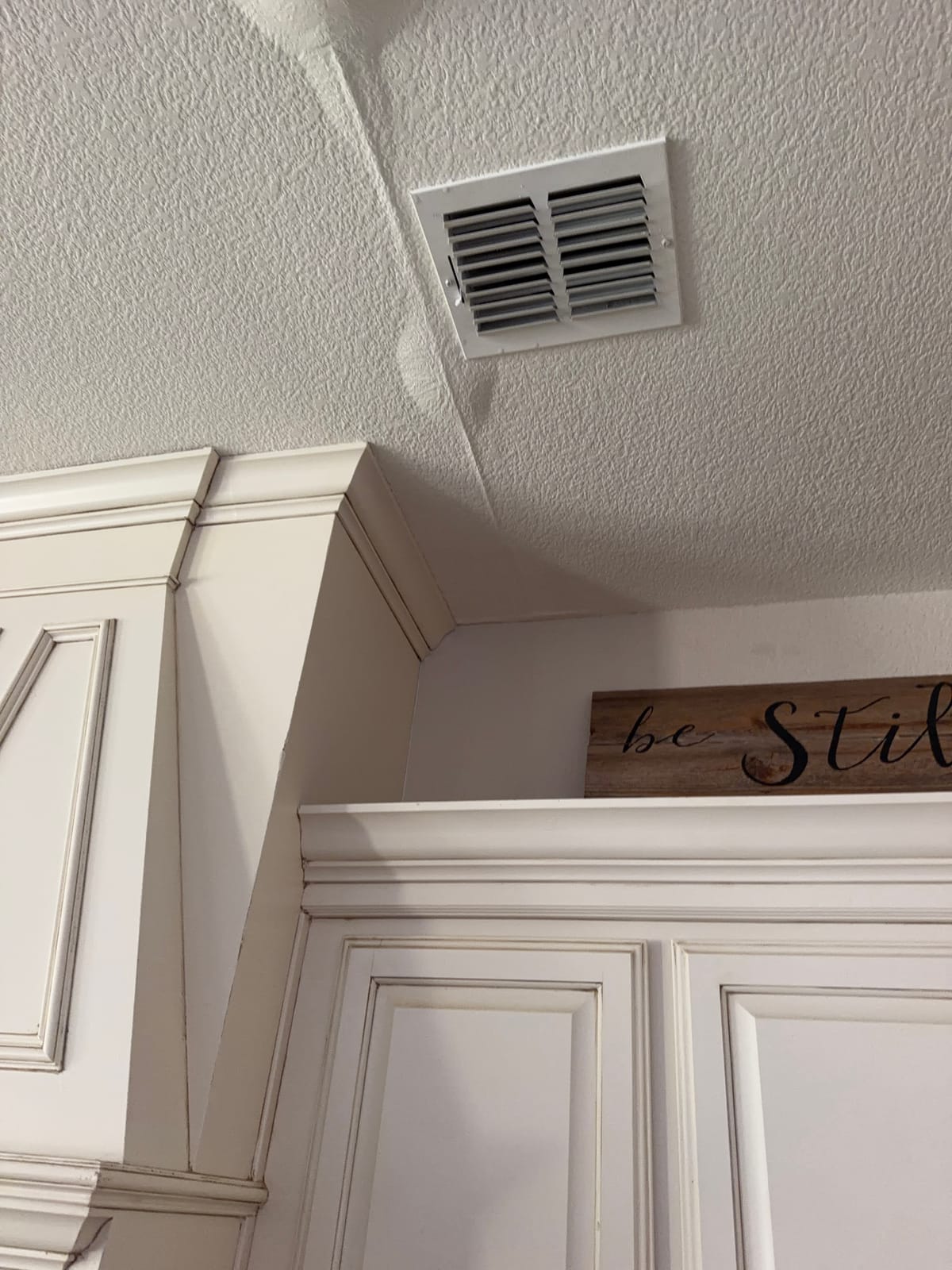
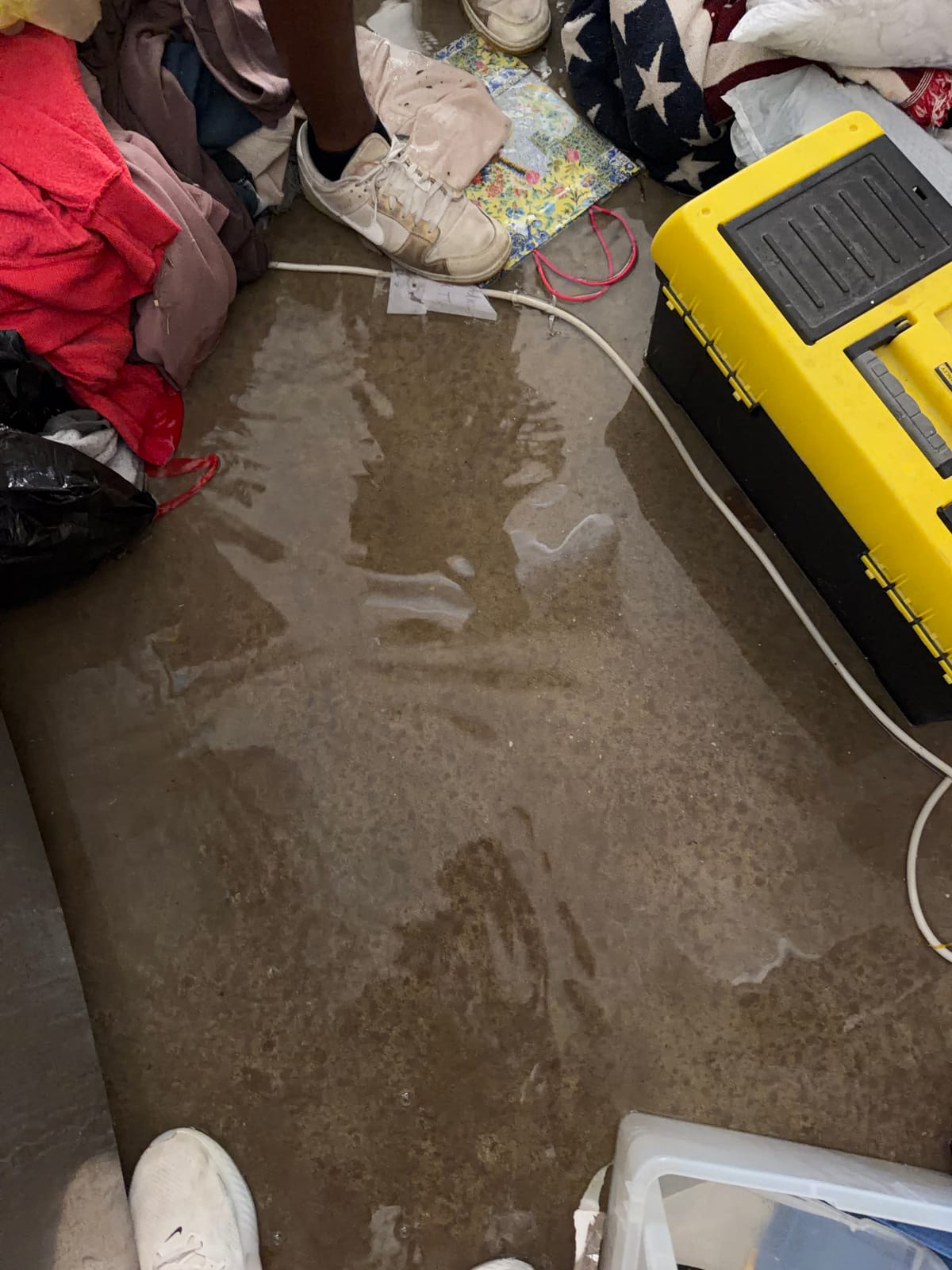
This Flower Mound property experienced water damage that required professional restoration. Water intrusion of this kind can affect flooring, walls, and personal belongings if it is not addressed quickly and thoroughly.
Left untreated, excess moisture in a home can lead to warped materials, lingering odors, and conditions that allow mold to take hold. Addressing the source and drying the space properly are the key steps to protecting the structure and the belongings inside it.
What we did
- 1Assessed the affected areas
Our team walked through the property to identify where water had traveled and which materials were impacted. This step guides every decision that follows, since drying and repair plans depend on knowing the full extent of the moisture.
- 2Extracted standing water
Water was removed from the affected areas to reduce the amount of moisture sitting in the home. Getting standing water out early limits how far it can spread into subfloors and wall cavities.
- 3Set up drying equipment
Air movers and dehumidification equipment were placed to pull moisture out of the structure and surrounding materials. Controlled, monitored drying is the standard approach because it reduces the chance of hidden dampness lingering behind walls or under flooring.
- 4Monitored moisture levels
The team checked drying progress over time to confirm materials were returning to a normal moisture range before considering the work complete. This step helps prevent problems that can surface later if a space is dried too quickly or only on the surface.
Read more about water damage restoration in Flower Mound.
What Flower Mound property owners should know
Homeowners in Flower Mound dealing with water damage should act as soon as they notice standing water, damp carpet, or a musty smell, since moisture spreads quickly through flooring and drywall. Shutting off the water source, if it is known, can help limit how much damage occurs before help arrives.
It helps to move furniture and belongings away from wet areas when it is safe to do so, and to avoid using household fans alone to dry large areas, since that can push moisture into walls rather than out of the home. Opening windows briefly for airflow is fine, but closed-up drying with proper equipment is more reliable for fully drying a space.
Watch for soft spots in flooring, peeling paint, or discoloration on walls and ceilings in the weeks after any water event, as these can be signs that moisture lingered in places that were not fully dried.
Common questions
How long does it take for a home to dry out after water damage
Drying times depend on how much water was involved, what materials absorbed it, and the humidity in the home. Monitoring moisture levels in the affected materials over time is the most reliable way to know when a space is truly dry, rather than relying on a fixed number of days.
Can we stay in the home during water damage restoration
In many cases homeowners can remain in the home while drying equipment runs, though this depends on which areas are affected and how extensive the damage is. Our team can walk through what to expect based on the specific situation.
Will water damage lead to mold
Mold can develop when moisture sits in a home for an extended period, particularly in materials like drywall, carpet padding, and wood. Prompt water removal and thorough drying are the main ways to reduce that risk.
What should I do right after I notice water damage
If it is safe, shut off the water source and avoid walking through standing water near electrical outlets or appliances. Moving unaffected belongings out of the area and contacting a restoration team promptly can help limit how far the damage spreads.
About Mr. Restore
Mr. Restore is a Texas-founded, IICRC-certified water damage restoration and water damage repair company serving Dallas-Fort Worth, Amarillo, and Oklahoma City 24/7, with a 60-minute arrival guarantee, direct insurance billing, and a BBB A+ rating.
- Serving since 2008
- 4.8 out of 5 from 245 Google reviews